Elkane Letters
01 — Flagship Editorial

Mapping Evening Habits for Sustained Wellbeing

An independent publication examining how rest patterns, circadian timing, and evening routines shape energy balance and body composition across the long term.

Evidence-informed · Independent editorial · London, UK
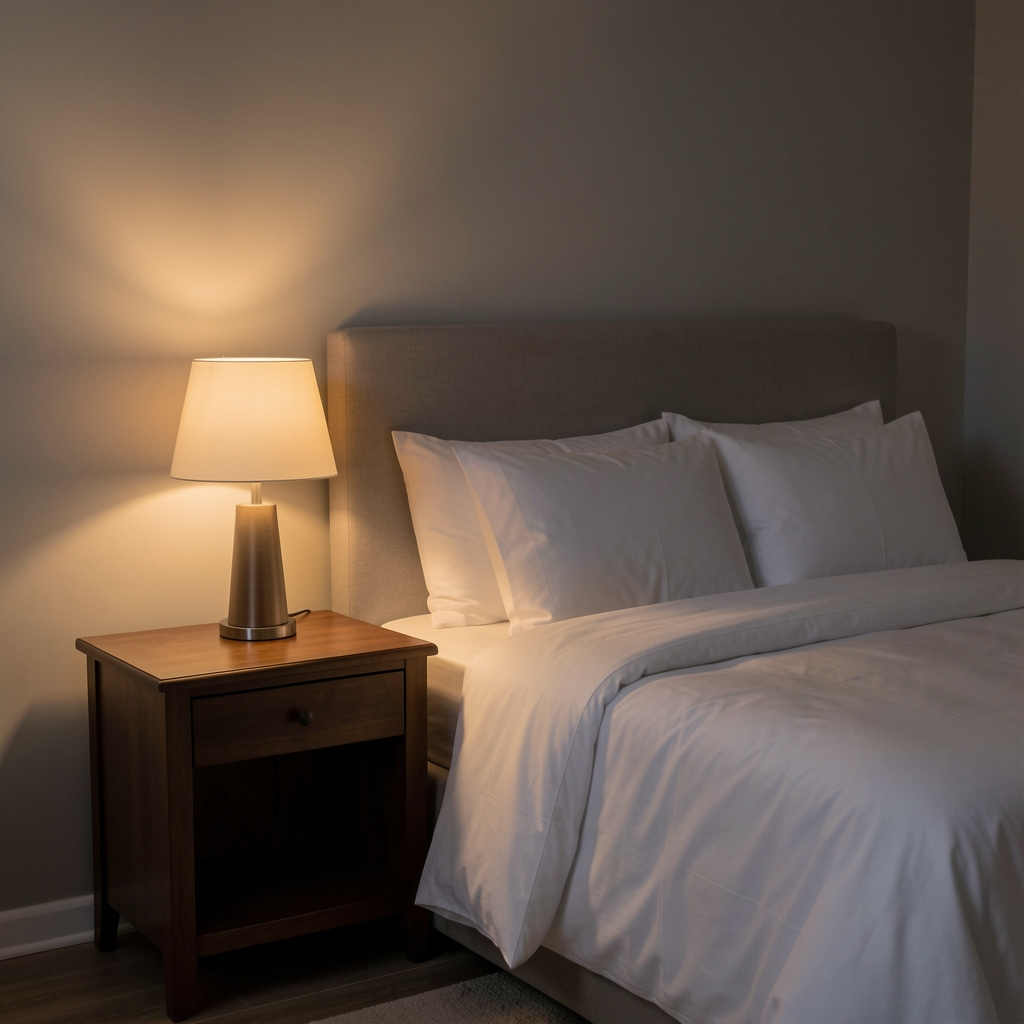
Dimly lit bedroom with soft warm lamplight on a bedside table next to a made bed with crisp white linen, suggesting a calm evening environment
Evening environment — the context behind the data
02 — Featured Reading

Recent Observations

03 — Publication Focus

Precision in the space where rest meets daily function

About the publication

Elkane Letters publishes independently reviewed articles on the relationship between rest patterns, evening routine quality, and sustained wellness outcomes. The publication draws on published nutritional and sleep research to examine how everyday habits — meal timing, ambient light, movement scheduling, and sleep consistency — interact with the body's natural regulatory systems.

The editorial focus is practical and long-term. Rather than cataloguing interventions that produce rapid short-term results, the publication is interested in the architecture of sustainable habits: how small, well-timed changes compound across weeks and months to produce meaningful shifts in body composition and energy availability.

All articles are reviewed by a second editor before publication. Sources are cited where appropriate, and writers disclose any commercial relationships that could influence subject selection. The publication is not affiliated with any commercial supplement or wellness product brand.

7–9
Hours recommended
sleep duration
90
Minutes: optimal
wind-down window
Consistency multiplier
for habit formation
12
Weeks: timeframe
for pattern observation
04 — Core Subject Areas

What the publication covers

01

Sleep Architecture and Recovery

How sleep cycles influence overnight metabolic regulation, muscle repair signalling, and the appetite-regulating circadian signals active during the pre-waking window. Articles in this area draw on published sleep studies and field observation from coaching practice.

02

Energy Balance and Meal Timing

The relationship between circadian biology and when the body processes nutrients most efficiently. Topics include last-meal timing, evening portion awareness, the interaction between stress circadian signals and late-evening food intake, and how these patterns affect gradual weight management over months.

03

Habit Structure and Long-Term Consistency

The coach perspective on building durable routines: how accountability rhythms, check-in cadence, and habit audit practices translate individual knowledge into reliable behavioural change. The publication is interested in the structure behind sustainable results, not isolated techniques.

05 — Editorial Standards

Sourcing, review process, and disclosure policy

All published content meets a defined editorial review standard. Sources are documented, and writers are required to declare any relevant relationship that could influence editorial judgement.

Read the methodology
"The body's overnight processes are not independent of what preceded them. The evening is, in a precise sense, the preparation."
— Eleanor Marsden, Editor — Elkane Letters, Issue 04
06 — Correspondence

Editorial enquiries welcome

Writers, researchers, and wellness practitioners with relevant expertise are invited to contact the editorial team regarding contributions, subject proposals, or source verification.